Margin-Based Currency Trading: An Islamic Appraisal
In the name of Allah, the Most Merciful, the Most Compassionate. Praise be to Allah, Lord of the Worlds, and peace and blessings upon the Messenger of Allah and the Seal of the Prophets.
Clarifying the ruling on margin-based currency trading requires, first, a discussion of currency trading in general; second, an explanation of how the margin system is applied in such trading; and finally, a considered judgment in light of these points.
Currency Trading
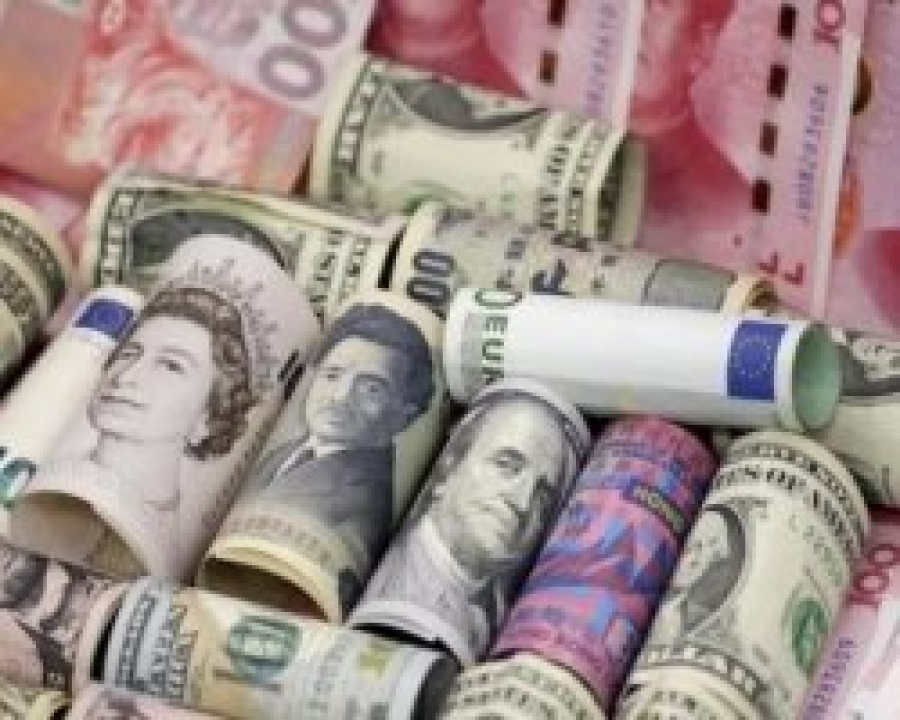
Foreign currency trading means treating currencies as a commodity for sale and purchase, like other goods. Traditionally, the contract governing this transaction is known as the ṣarf contract (exchange).
In Islamic law, ṣarf is the exchange of two monetary countervalues. The authentic Sunnah regulates this contract with two conditions:
Equality in amount when the exchanged currencies are of the same type, based on the Prophet’s ﷺ saying: “… like for like, without increase …”
Immediate mutual possession of both countervalues, without delay, as the Prophet ﷺ said: “Do not sell the deferred for the immediate,” and in another narration: “… hand to hand,” and in another: “Here and now …” This condition applies whether the currencies are of the same type or different.
From this it follows that no deferment or options are permitted in ṣarf. Thus, of the four theoretically possible modes of exchange:
Spot exchange of one present currency for another.
Spot exchange of a present currency for a deferred one.
Exchange of a deferred currency for a present one.
Exchange of a deferred currency for another deferred one.
Only the first form is valid in Sharīʿah.
Classical jurists also recognized the special nature of this contract and its subject matter: money. For them, money was not an end in itself, but a means of exchange, unlike ordinary goods whose purpose is direct consumption. Ibn Rushd notes: “The intent of gold and silver is transactional, not for their own use.” Ibn ʿĀbidīn states: “Price (money) is not intended in itself but is a means, as tools are for craftsmen.” Similarly, Ibn Taymiyyah described money as “purely instrumental … a medium of exchange, and hence a standard of value.”
Accordingly, ṣarf is a subsidiary contract, serving necessary purposes such as facilitating international trade or enabling travelers to transact in foreign lands. It was never intended as an independent field of speculative profit. Ibn al-Qayyim even warned against turning money itself into merchandise, for this undermines its function as a stable standard of value and leads to injustice and corruption. Al-Ghazālī similarly condemned trading money for money, describing it as “a misuse of wisdom’s design … treating money as a commodity to be hoarded is injustice.”
Thus, the clear conclusion from Sharīʿah objectives is: “No commodification of money!”
Margin Trading
(Based mainly on the beginner’s guide “Forex for Beginners,” available at fx4beginners.com and many other sites.)
At its core, the margin system allows a speculator with limited capital to trade with sums far exceeding his actual funds, through leveraged financing. His losses are capped at his margin deposit, while his potential gains are unlimited (after commissions). This resembles a lottery structure: one risks a small ticket (margin) for a chance at disproportionately large returns.
In practice:
A trader with only $3,000 cannot buy the standard lot (worth $100,000).
Through a broker, he deposits his $3,000 as margin.
The broker divides this into used margin (say $1,000) and usable margin (say $2,000).
The used margin is leveraged 100:1 to allow a $100,000 position.
Losses are cut off when they consume the usable margin; if the trader does not close his losing trade, the broker forcibly liquidates it.
In reality, the purchased asset is not the trader’s outright property; it is held by the broker as collateral for the loan that enabled the trade.
Brokers profit through:
Interest on loans (explicit or implicit). Some waive it for same-day trades, but then charge “rollover” (overnight) interest, or embed costs elsewhere.
Rollover fees (swap/interest) for overnight positions. Some brokers market “Islamic accounts” with no swaps but still earn via hidden charges.
Commissions for providing technical facilities and market access.
Spreads or kickbacks from market makers.
Currency conversion fees as traders constantly flip between currencies, magnifying broker profits.
Appraisal of Margin Trading
This activity is not simply ṣarf; rather, it is margin-based speculative gambling. Its contractual structure involves:
Muḍārabah-like arrangements with investors. But this is invalid since the underlying activity (margin speculation) is not Sharīʿah-compliant.
Loan contracts from brokers, which are:
Riba-based (interest-bearing or interest-substituting).
Conditional and restrictive (loan tied to specific speculative use).
Coupled with commissions, making them loan-plus-service contracts forbidden by Sharīʿah.
Flawed pledges (rahn): margins and assets pledged without valid ownership.
Ijarah contracts for facilities, contaminated by the impermissibility of the underlying purpose.
Ṣarf contracts that lack genuine possession, aiming only at exploiting price differentials.
To treat each component separately and attempt to “Islamize” them is artificial—similar to justifying ʿīnah or bayʿ wa-salaf by dissecting them.
Broader Economic and Social Harms
Even if individual contracts were sanitized, the system as a whole produces grave harms:
Massive monetary inflation through extreme leverage (1:100 or more).
Drainage of domestic capital to international speculative markets, contrary to local development needs.
Misallocation of resources away from real sectors (agriculture, industry, housing) toward sterile speculation.
Dollarization and subjugation of national currencies to global imbalances.
Volatility and financial crises spilling into the real economy.
Spread of parasitic mentality, encouraging idleness, easy gains, and unjust wealth concentration.
Fraud and exploitation of naïve participants, lacking legal protections.
Here is a joke my colleague Dr. Muḥammad Bani ʿĪsā once told me, which I now relate with some functional adaptation but without distorting its meaning:
A swindler wanted to seize the villagers’ savings. But he realized that one night would not be enough to raid all the houses — and that such an attempt carried great risk of exposure.
So instead, he prepared small transparent envelopes, filled them with plain dirt, and wrote on them in elegant handwriting: “Pure Soil – Price: One Dinar Only!!” Then he displayed them for sale in his shop.
Of course, no one in their right mind would need such dirt — in fact, one would imagine that people wouldn’t take it even for free, let alone pay a dinar for it!
Conclusion
Margin-based forex trading is, in essence, an organized form of gambling, structured through exploitative contracts and producing systemic harms. It neither fulfills the valid objectives of commerce nor serves the public good. Rather, it falls under what Allah described in the Qur’an regarding intoxicants and gambling: “In them is great sin and some benefit for people, but their sin is greater than their benefit” (al-Baqarah: 219). And in clear prohibition: “Indeed, intoxicants, gambling, [sacrificial] stones, and divining arrows are abominations of Satan’s handiwork, so avoid them …” (al-Mā’idah: 90).
Hence, this activity should be firmly barred from Muslim economic life.
- مبادلة عملة حاضرة بعملة أخرى حاضرة.
- مبادلة عملة حاضرة بعملة مؤجلة.
- مبادلة عملة مؤجلة بعملة حاضرة.
- مبادلة عملة مؤجلة بعملة مؤجلة.
- هامش مستخدم Used Margin
- هامش متاح Usable Margin
ولتقييم هذه المتاجرة هناك مدخلان: الأول: تفكيك المنظومة العقدية لتجارة الهامش وتقدير كل عقد فيها على انفراد. والثاني: تقدير أداء المنظومة العقدية لهذه التجارة على نحو إجمالي.
إليك هذه الطرفة التي حدَّثنيها الزميل الدكتور محمد بني عيسى، وأنا أنقلها لك بتصرف وظيفي غير مخِّل: إن محتالاً أراد أن يسطو على مدّخرات القرية التي يعيش فيها، لكنه أدرك أن ليلة واحدة لا تكفي للسطو على بيوت القرية، مع ما ينطوي عليه ذلك من مخاطر افتضاح أمره؛ فعمد إلى مغلفات صغيرة وشفافة ملأها تراباً وكتب عليها بخط أنيق: (تراب خالص: السعر دينار واحد!!) وعرضها للبيع في حانوته. إن أحداً لا غرض له بهذا التراب والمتصور أن لا أحد يأخذه مجاناً فضلاً عن أن يشتريه بدينار.
ولعلك أدركت عزيزي القارئ كيف تُصنَّع الأسواق، والسؤال ليس عن آلية صناعتها ولا عن حجوم معاملاتها، إنما عن مغزى تلك الأسواق وفائدتها للاجتماع الإنساني. إن أنصار سوق العملات يريدون أن يقنعونا أن سوق التراب التي صنعها المحتال لها من الأهمية ما لسوق القمح والزيت، إنهم يريدون أن يقنعونا أن الحراثة في البحر معقولة ومنطقية مثل حراثة حقول القمح طالما كانت تعطي لمتعاطيها بعض المكاسب، ونحن لا نجحد هذه المكاسب لكننا نجحد أي بعد عقلاني لهذه التجارة ونؤكد عبثيتها ومخالفتها لمصالح الشعوب، ونقول فيها ما قال ربنا تعالى في الخمر والميسر تقريراً: “يسألونك عن الخمر والميسر قل فيهما إثم كبير ومنافع للناس وإثمهما أكبر من نفعهما…” (البقرة: 219)، ونقول فيها ما قال ربنا تعالى خطاباً تكليفياً: “إنما الخمر والميسر والأنصاب والأزلام رجس من عمل الشيطان فاجتنبوه…” (المائدة: 90). إن في ذلك لذكرى لمن كان له قلب أو ألقى السمع وهو شهيد. وسبحان ربك رب العزة عما يصفون، وسلام على المرسلين، والحمد لله رب العالمين.
Abduljabbar Al-Sabhany
For translation, use, or republication
Citation of the source is required:
al-sabhany.com