A Perspective in the change of Money Value
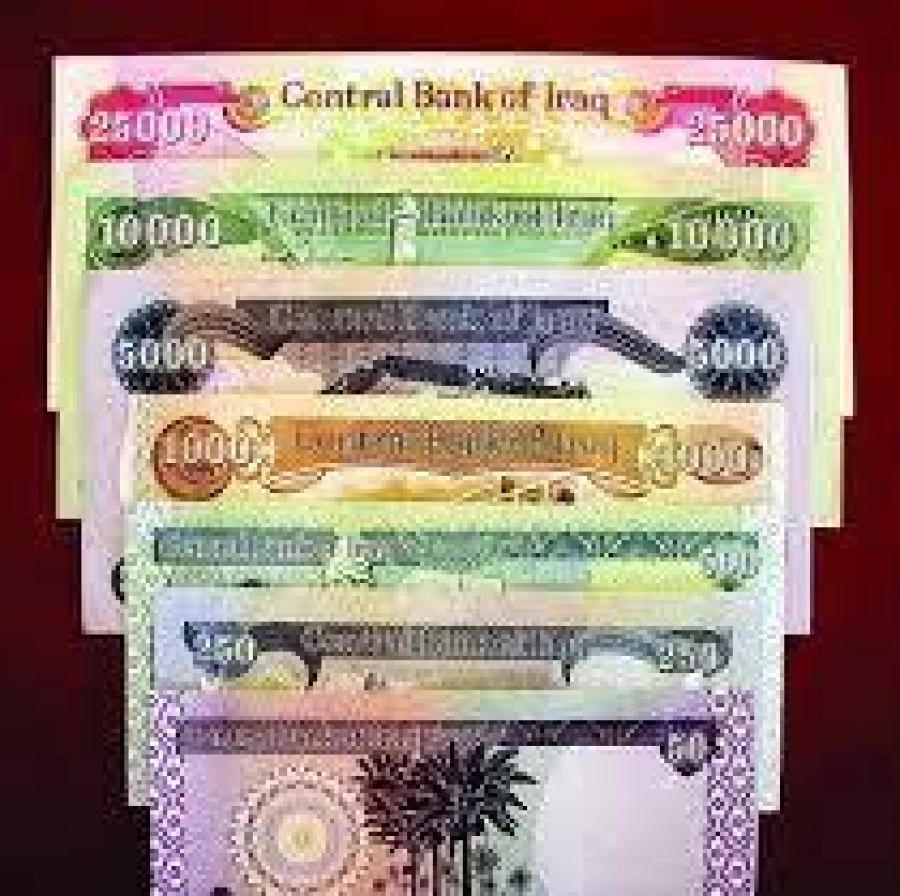
The general rule in fixed financial obligations is that they are to be settled by equivalence—that is, by the same number of monetary units in which they were originally contracted. However, fluctuations in the value of paper currency make nominal equivalence inconsistent with real financial equivalence. In light of this dilemma, various alternatives have been proposed, the most suitable and most consistent with the objectives of Shariah being the adoption of a currency with stable value.
Until such a standard becomes practically attainable, this paper supports the adjustment of financial obligations to account for changes in the purchasing power of money, since ignoring such changes undermines the essential characteristic of debts and necessitates repayment according to value rather than nominal units. This position is supported by the Ḥanafīs, later Ḥanbalīs, and some Mālikīs, who recognized the effect of value fluctuations in the case of fulūs (copper coins)—and it applies even more strongly to paper currency.
This view is preferred because it is a condition for justice in transactions. Without it, people suffer injustice, future dealings shrink, transaction costs rise, and the practice of interest-free loans is discouraged. The most logical mechanism to achieve this is the use of indexation—linking debts to standardized measures such as price indexes—despite the accounting difficulties involved. Obligations, however, should ultimately be discharged in a currency other than that of the original contract in order to avoid any suspicion of ribā.
Keywords: Money Value, Purchasing Power, Debts, Indexation, Ribā, Islamic Economics