
The Justice of Distribution and Economic Efficiency in Secular Systems and Islam: A Comparative Perspective
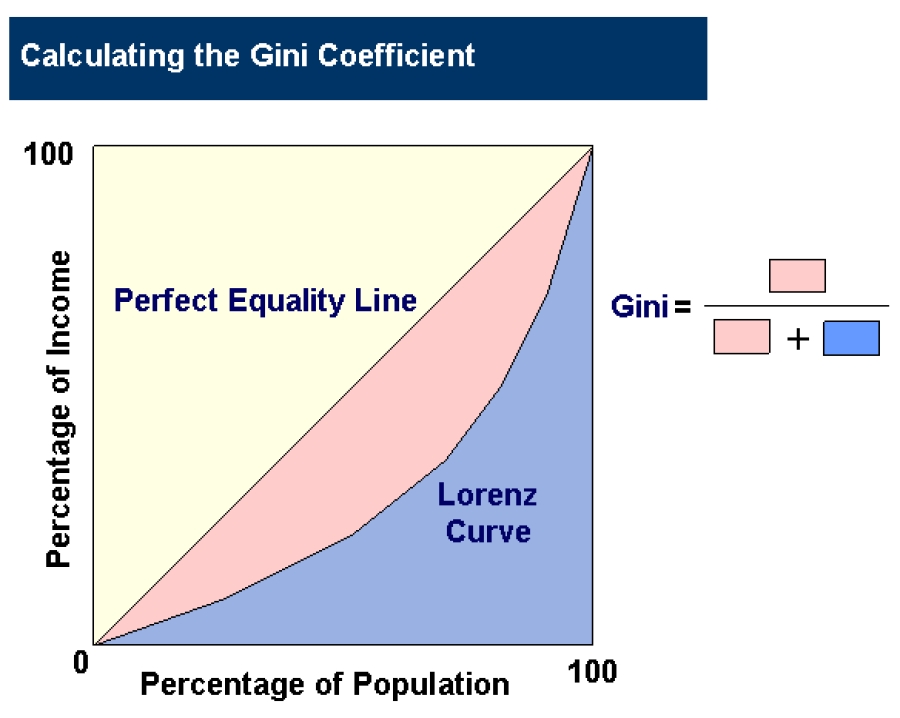
This paper examines the relationship between two key objectives of economic systems: distributive justice and economic efficiency. While economists from various schools of thought have unanimously emphasized the necessity of achieving efficiency and succeeded in establishing objective criteria to measure it, distributive justice has remained highly contested—both in defining its substance and in determining its effects on efficiency.
The paper advances the hypothesis that distributive justice is a prerequisite for efficiency, and that Islam, through its just distributive system, secures this relationship. It explores the dimensions of distributive justice in Islam in resource allocation, functional distribution, redistribution, as well as in its legal foundations and institutional mechanisms. The study shows that both efficiency and justice are embedded at every stage of distribution and within its institutions.
In contrast, the paper identifies a complete separation between distributive justice and efficiency in secular systems. This is evident from the positions of leading economists and theorists on distributive justice, as well as from the inadequacy of the foundations and mechanisms employed, which significantly reduce the prospects of achieving efficiency.
Keywords: Distributive Justice, Economic Efficiency, Islamic Economics, Redistribution, Comparative Systems