Islamic Money in The Eras of Igtihad
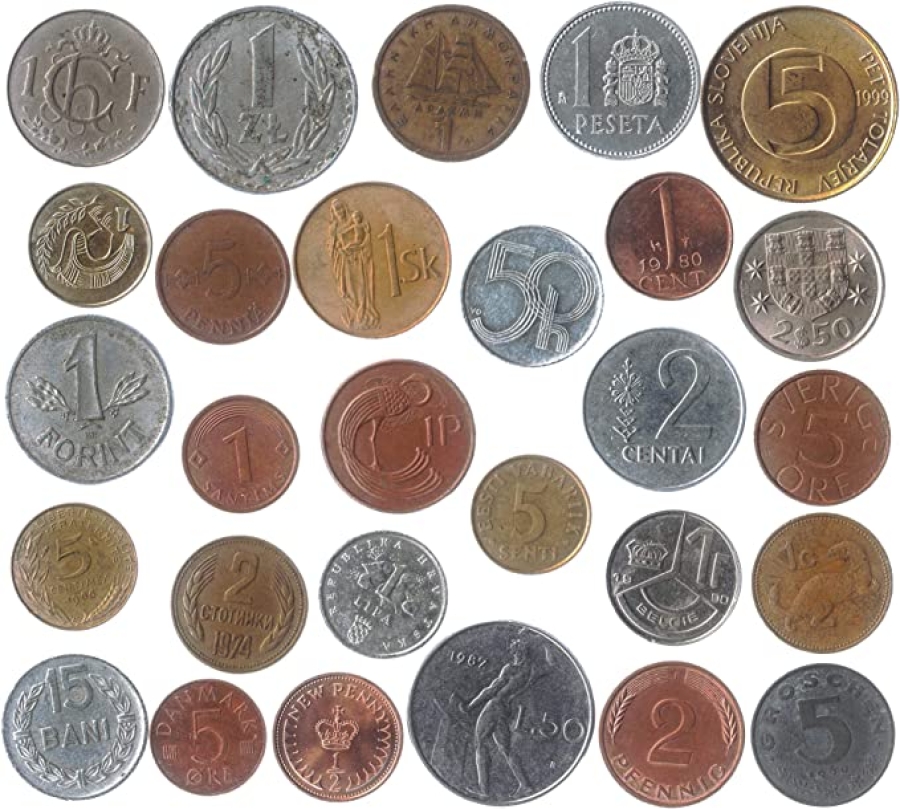
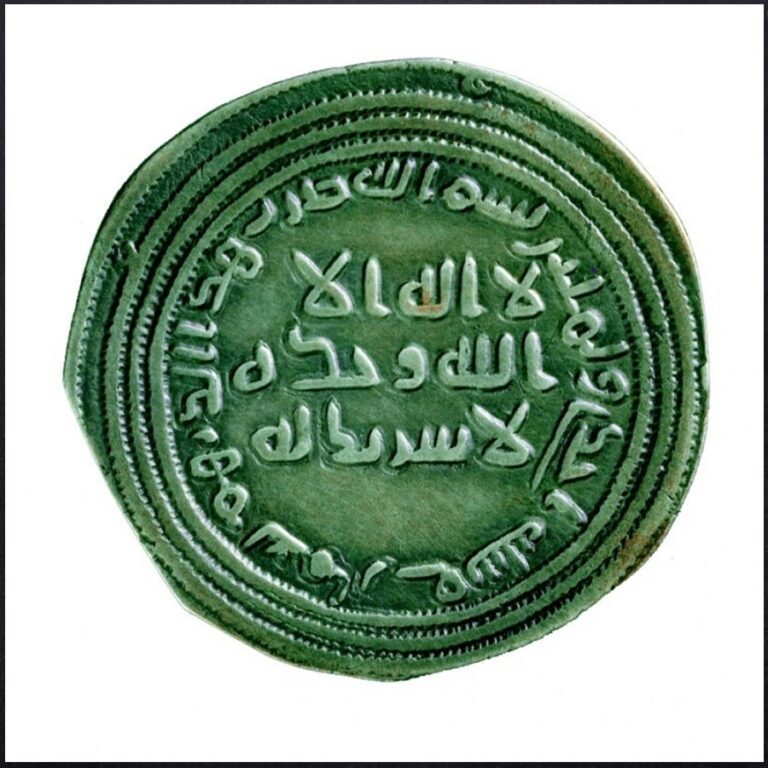
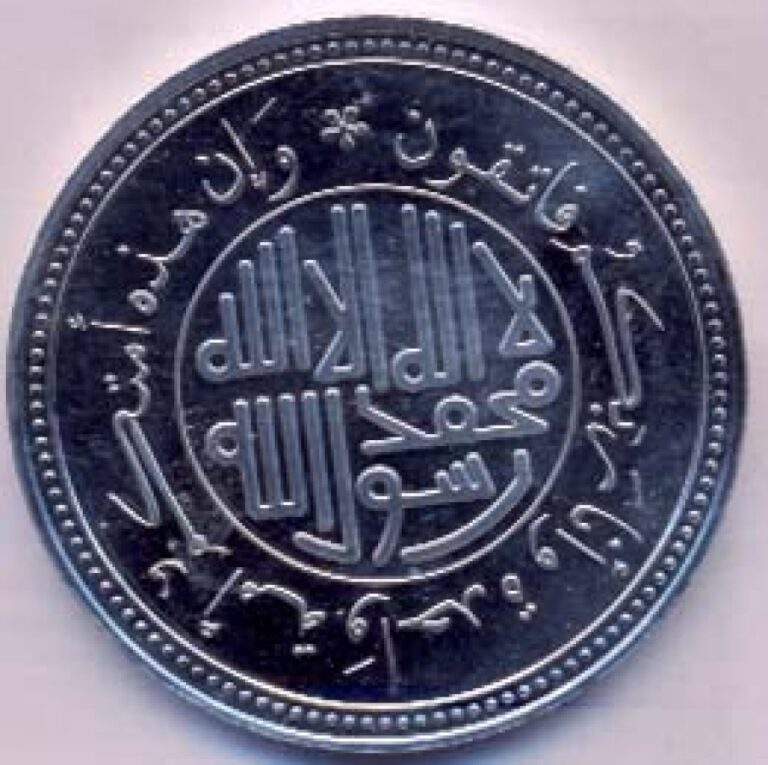
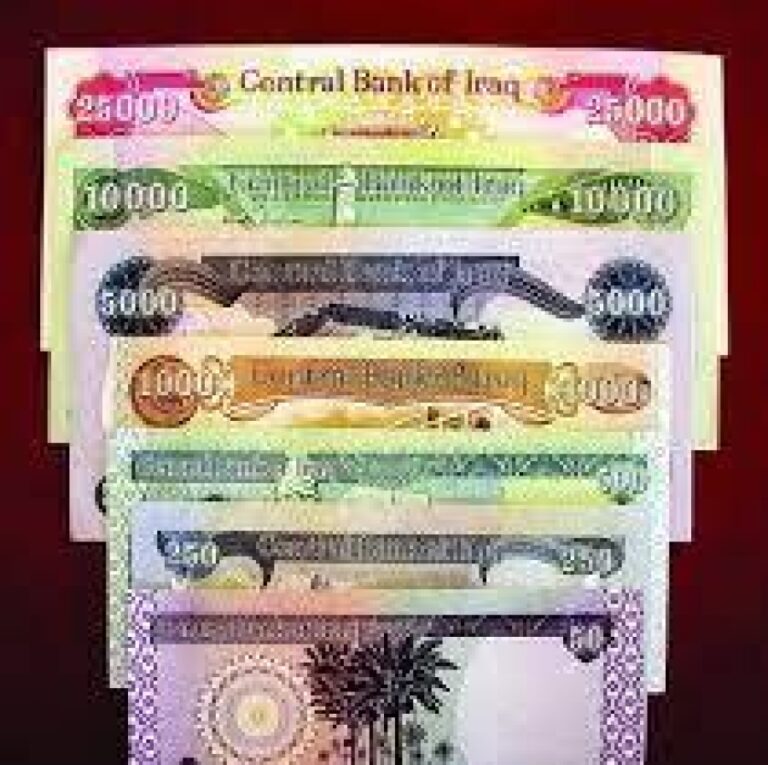
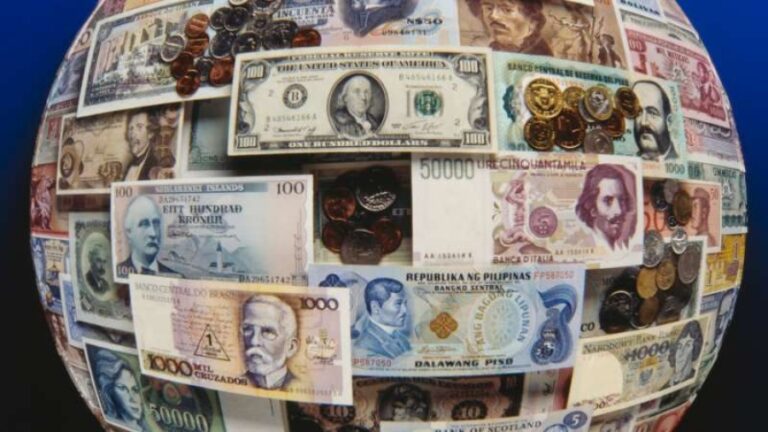
As economic life expanded and the volume of transactions increased, the limited supply of gold and silver compelled Islamic societies—like other societies—to abandon “natural money” (gold and silver) and to adopt fulūs made from available metals such as copper and bronze, which came to be known as “conventional money.” This was later followed by the emergence of paper money, which continues to dominate economic transactions in the contemporary Islamic world.
This study investigates the juristic characterizations given by Muslim scholars to these newly introduced forms of money and the rulings associated with them, including those related to hoarding, ribā, zakāt, currency exchange (ṣarf), and forward sales (salam). More broadly, it examines the extent to which the attribute of thamaniyya (money-ness) applies to these forms of money, and the economic effects and legal implications that follow from it, including those tied to the financial and penal systems.
Keywords: Islamic Money, Fulūs, Paper Currency, Thamaniyya, Zakāt, Ribā