Islamic Money in the Era of Legislation
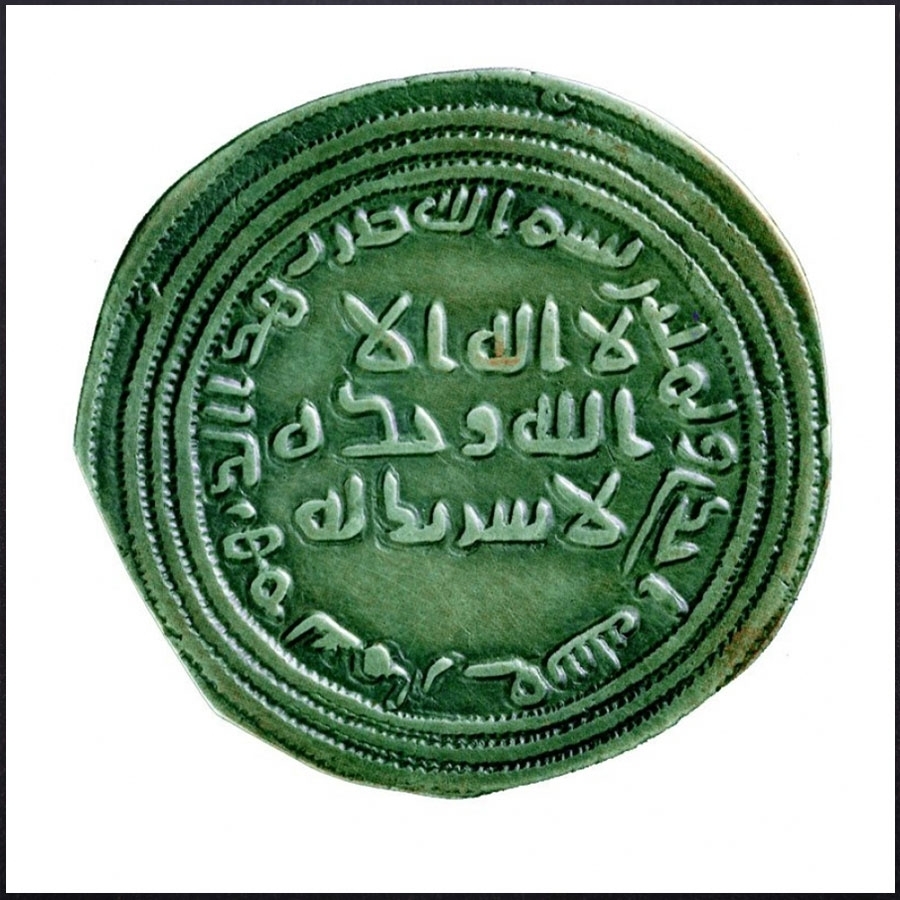
This study investigates the types of money that were in circulation in the Hijaz at the time of the Prophet’s mission. Its significance stems from two considerations. First, these forms of money served as the basis for determining specific Shariah obligations in the financial and penal systems, such as zakat thresholds, blood money (diyāt), amputation for theft, and compensation for injuries. Second, and more importantly, they were subject to legal rulings connected to their role as instruments with defined economic functions—most notably rulings on hoarding, currency exchange (ṣarf), forward contracts (salam), usury (ribā), and zakat.
The enforcement of these rulings undoubtedly had profound effects on economic life. This paper is therefore an attempt to carefully identify the currencies of the legislative era, examine the rulings associated with them, and analyze their implications as a foundation for an Islamic economic system.
Keywords: Money in Islam, Hijaz Economy, Zakat, Ribā, Islamic Economic System